
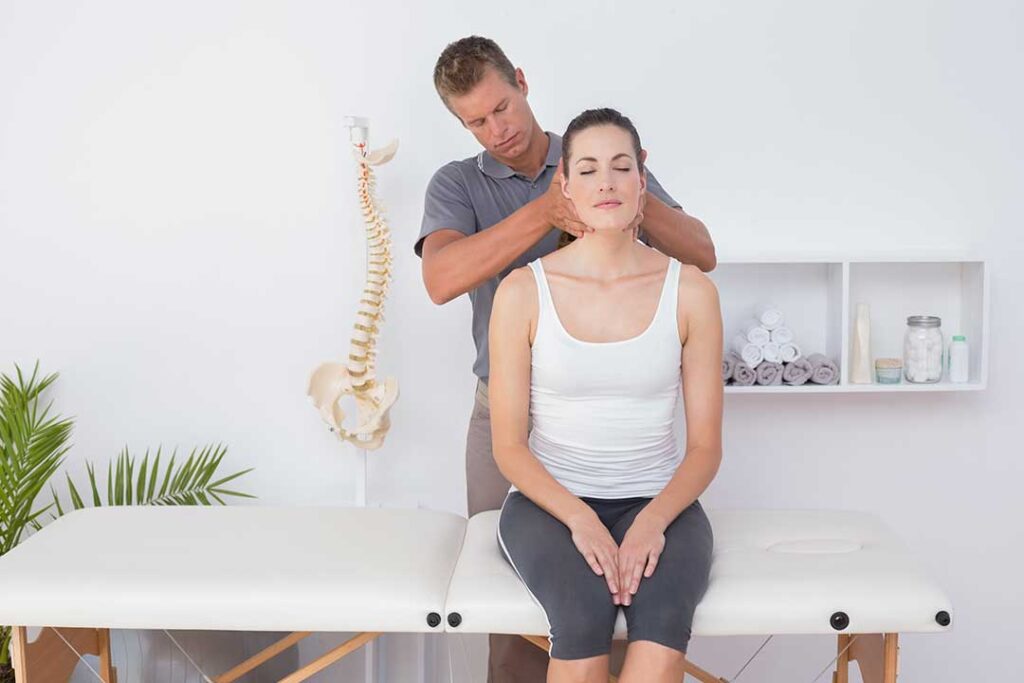
Mobility is the ability to walk, bend, reach, turn, climb stairs, and change positions with reasonable comfort and control. For residents of Rockville Centre, NY, improving mobility often starts with practical habits at home rather than an intensive workout program.
Mobility can be affected by joint stiffness, muscle weakness, previous injuries, prolonged sitting, balance changes, pain, or fear of movement. A useful plan usually combines gentle motion, strength, flexibility, balance, and attention to daily surroundings.
What are the most effective natural ways to improve mobility?
The most reliable approach is consistent, manageable movement that addresses more than one physical ability. Walking alone can help, but mobility generally improves more when walking is paired with strengthening, flexibility, and balance work. The National Institute on Aging identifies aerobic activity, muscle strengthening, flexibility, and balance as important parts of physical function. ([nia.nih.gov](https://www.nia.nih.gov/health/exercise-and-physical-activity/three-types-exercise-can-improve-your-health-and-physical?utm_source=openai))
A practical weekly routine may include:
- Short walks at a comfortable pace
- Strength exercises for the legs, hips, abdomen, back, and upper body
- Gentle stretches after the body is warmed up
- Balance practice near a stable counter or railing
- Frequent movement breaks during desk work, television, or household tasks
The goal is not to push through pain. The goal is to give the body regular, tolerable reasons to move.
How can walking help joint and spinal mobility?
Walking supports mobility by repeatedly moving the ankles, knees, hips, and spine through a functional pattern. It also helps maintain leg strength and endurance, which can make stairs, errands, and household activities easier.
Residents may find it easier to begin with several five- to ten-minute walks rather than one long session. During colder months, icy sidewalks, heavy clothing, and reduced daylight can change walking habits, so indoor walking, hallway laps, or gentle marching in place may be safer alternatives.
Useful walking habits include:
- Start slowly for the first few minutes.
- Keep steps comfortable rather than forcing a long stride.
- Look ahead instead of continuously looking down.
- Wear secure footwear with adequate traction.
- Stop if pain becomes sharp, weakness develops, or balance suddenly changes.
Regular physical activity is associated with better balance and a lower risk of falls, along with broader health benefits. ([cdc.gov](https://www.cdc.gov/physical-activity-basics/health-benefits/adults.html?utm_source=openai))
Which exercises build mobility without requiring special equipment?
Strength exercises are often overlooked by people who assume mobility is only about stretching. Stronger legs and hips can make it easier to rise from a chair, step over a curb, maintain balance, and control movement.
Simple options include:
- Sit-to-stand repetitions from a sturdy chair
- Wall push-ups
- Heel raises while holding a counter
- Supported mini-squats
- Step-ups on a low, stable step
- Gentle resistance-band exercises
Begin with a small number of repetitions and focus on controlled movement. Two or three brief sessions each week may be more sustainable than occasional strenuous workouts. Strengthening should challenge the muscles without causing joint pain that continues or worsens afterward.
People with osteoporosis, recent surgery, significant arthritis, or a history of falls may need an individualized exercise plan before adding resistance or step exercises.
Can stretching improve stiffness?
Stretching can help maintain or improve flexibility, particularly when muscles are warmed up. It may make tasks such as reaching, dressing, getting out of a car, or tying shoes more comfortable. The National Institute on Aging advises stretching after endurance or strengthening activity and avoiding a stretch that causes pain. ([nia.nih.gov](https://www.nia.nih.gov/health/exercise-and-physical-activity/three-types-exercise-can-improve-your-health-and-physical?utm_source=openai))
Gentle mobility movements may include:
- Shoulder rolls
- Ankle circles
- Slow neck turns within a comfortable range
- Heel-to-toe movements
- Hip flexor stretches
- Calf stretches against a wall
- Seated trunk rotations
Move gradually and breathe normally. Stretching should create mild tension, not numbness, tingling, sharp pain, or a forced sensation in a joint.
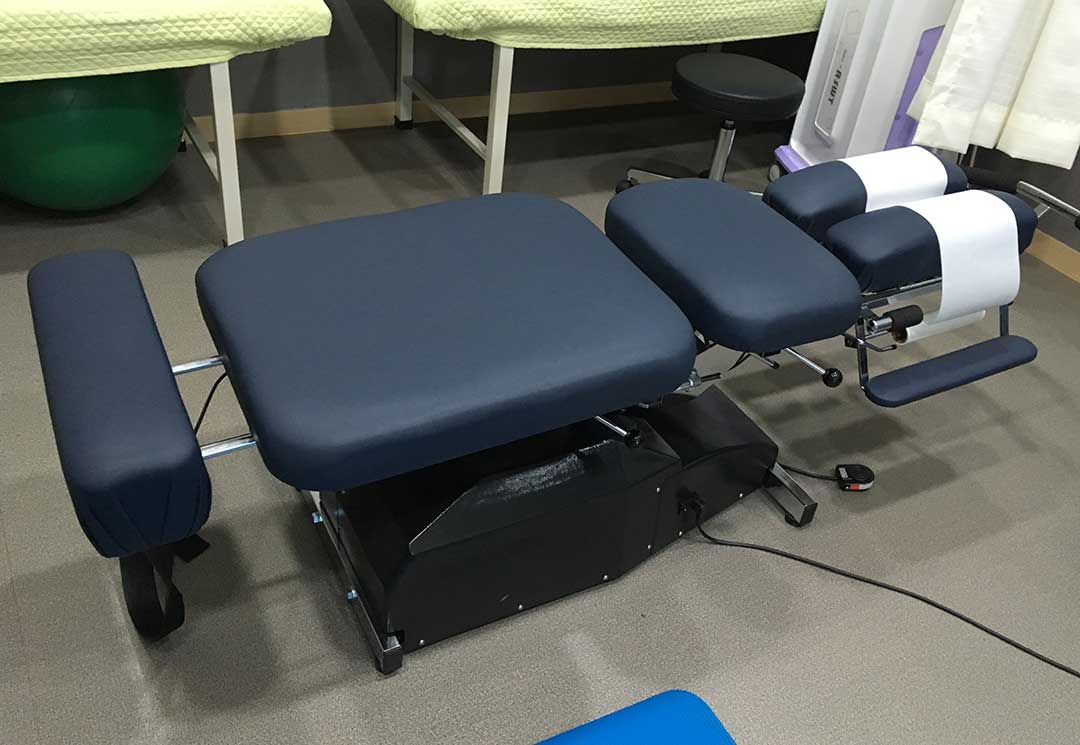
A common misconception is that more stretching is always better. Excessive stretching may irritate an already sensitive tendon, ligament, or joint. Consistency and control matter more than intensity.
Why are balance exercises part of a mobility plan?
Balance affects how confidently and safely a person moves. It is not limited to older adults; anyone recovering from inactivity, an injury, or a period of illness may benefit from balance practice.
Safe starting exercises include:
- Standing with feet close together while holding a counter
- Shifting weight slowly from side to side
- Walking in a straight line near a wall
- Rising onto the toes while supported
- Practicing one-foot balance for a few seconds at a time
Do not practice challenging balance exercises near stairs, wet floors, or furniture with sharp edges. Tai chi and certain forms of yoga can combine balance, flexibility, breathing, and strength, although positions may need modification for people with pain or limited range of motion. ([niddk.nih.gov](https://www.niddk.nih.gov/health-information/weight-management/healthy-eating-physical-activity-for-life/health-tips-for-older-adults?utm_source=openai))
How do daily habits affect mobility?
Mobility is influenced by what happens between exercise sessions. Remaining in one position for long periods can make the first few steps feel stiff and uncomfortable. A brief movement break every 30 to 60 minutes may be useful during computer work, reading, or long periods of sitting.
At home, practical changes can reduce unnecessary strain:
- Keep frequently used items between waist and shoulder height.
- Use adequate lighting near stairs and entrances.
- Remove loose rugs and clutter from walking paths.
- Place a stable chair nearby when completing tasks that require standing.
- Avoid carrying heavy loads on icy or uneven outdoor surfaces.
- Use handrails rather than relying on walls or furniture.
These measures do not replace exercise, but they can make regular movement safer and more manageable.
Does chiropractic care have a role in improving mobility?
Chiropractic care may include spinal manipulation, mobilization, exercise guidance, and education about movement. Spinal manipulation uses a controlled force applied to a spinal joint, and some people experience temporary soreness, stiffness, headache, or increased discomfort afterward. Serious complications are rare, but risks can be higher when underlying health conditions are present. ([nccih.nih.gov](https://www.nccih.nih.gov/health/spinal-manipulation-what-you-need-to-know?utm_source=openai))
Mobility care should not be based on the assumption that every limitation comes from a “misaligned” spine. Restricted movement may instead involve arthritis, a tendon problem, nerve irritation, muscle weakness, medication effects, or a medical condition. A careful assessment should consider the person’s symptoms, health history, medications, activity level, and functional goals.
For many people, hands-on treatment is most useful when paired with active strategies such as strengthening, walking, balance practice, and gradual return to normal activities.
When should limited mobility be medically evaluated?
New or rapidly worsening mobility problems deserve prompt attention. Seek urgent medical care for sudden weakness, facial drooping, trouble speaking, loss of coordination, severe headache, loss of bladder or bowel control, or numbness involving the groin area.
An evaluation is also appropriate for persistent pain, repeated falls, unexplained weight loss, fever, pain after a significant injury, or difficulty bearing weight. A clinician may need to determine whether imaging, medication review, physical rehabilitation, or another form of care is appropriate.
For everyday stiffness without warning signs, starting with short periods of gentle movement and tracking which activities help or worsen symptoms can provide useful information. Progress is best measured by function—such as walking farther, standing from a chair more easily, or completing household tasks with less discomfort—rather than by flexibility alone.
