
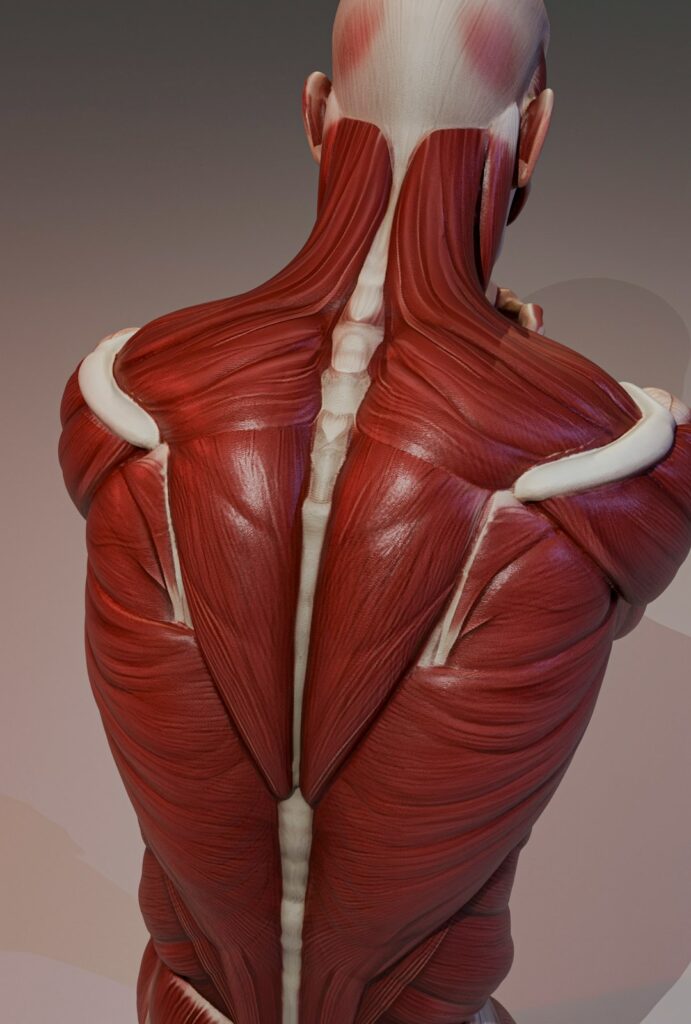
What does clicking in the neck usually mean?
Clicking, popping, snapping, or grinding sounds in the neck are often caused by normal movement in the joints and surrounding tissues. The medical term for these sounds is crepitus. If the clicking is occasional and does not cause pain, weakness, numbness, or loss of movement, it is usually not a sign of serious damage.
The sound may come from several structures, including:
- Small joints between the neck bones
- Tendons or ligaments moving over nearby bone
- Pressure changes within a joint
- Tight muscles altering how the neck moves
- Age-related changes in the joints or discs
A clicking sound by itself does not reveal the exact cause. The timing, location, symptoms, and recent activities matter more than the noise alone.
Why do neck joints pop or crack?
Neck joints contain a lubricating fluid that helps surfaces move smoothly. When the joint shifts or stretches, pressure can change inside the joint and produce a popping sound. This is similar to the noise that can occur when other joints move.
Some clicks happen when a facet joint, one of the small stabilizing joints in the back of the neck, moves during rotation. A person may notice the sound when looking over a shoulder, getting out of bed, or turning the head after sitting still.
Other sounds are caused by soft tissues. A tendon or ligament can briefly move across a bony surface and create a snap. This may be more noticeable when the neck is stiff from sleeping in an awkward position, working at a computer, or spending a long period looking down at a phone.
Can poor posture cause neck clicking?
Poor posture can contribute to clicking indirectly by changing the workload placed on the neck. Holding the head forward for long periods may fatigue the muscles that support it. The neck may then move less evenly, making joint or tendon sounds easier to notice.
Common examples include:
- Looking down at a phone during a train ride or commute
- Working at a laptop without changing position
- Reading in bed with the head propped forward
- Driving for long periods without moving the neck
- Repeatedly carrying a heavy bag on one shoulder
In Rockville Centre, NY, daily routines may include commuting, desk work, household tasks, and long periods of indoor activity during cold or wet weather. These habits do not automatically cause injury, but prolonged stillness can make stiffness and clicking more noticeable.
Changing positions regularly is generally more useful than trying to hold the neck rigidly. A comfortable workstation, a screen near eye level, and gentle movement throughout the day can reduce strain.
Does arthritis cause clicking in the neck?
Arthritis and other age-related changes can make neck sounds more frequent. As the discs and small joints gradually change, the joint surfaces may move differently. Some people notice stiffness, grinding, or reduced range of motion along with the sound.
These changes are common with aging, but clicking does not prove that arthritis is present. Imaging is not always needed for an isolated noise, especially when there is no pain or loss of function.
A more meaningful concern is a combination of clicking with symptoms such as:
- Persistent neck pain
- Increasing stiffness
- Difficulty turning the head
- Pain that travels into the shoulder or arm
- Numbness, tingling, or weakness
Those symptoms may reflect irritation of a joint, muscle, disc, or nerve and deserve a proper medical evaluation.
Is it safe to crack the neck on purpose?
Gentle, natural movement is different from forcefully twisting or pulling the neck to make it crack. Occasional self-induced cracking may not cause harm, but repeated or forceful manipulation can strain muscles and ligaments, aggravate a joint, or irritate a nerve.
A person who feels compelled to crack the neck frequently may be responding to stiffness, muscle tension, poor movement habits, or an underlying source of discomfort. The goal should be to understand why the neck feels restricted rather than repeatedly forcing a sound.
High-velocity neck movements should be avoided after an injury and should not be performed aggressively at home. Rare but serious blood-vessel injuries have been reported after sudden, forceful neck movements. Severe headache, dizziness, trouble speaking, vision changes, facial drooping, or loss of coordination after such a movement requires emergency care.

What can help harmless neck clicking?
When clicking is painless and movement remains normal, simple measures may be enough:
- Change sitting or screen position regularly.
- Use gentle neck movements rather than sudden stretches.
- Apply warmth if the surrounding muscles feel tight.
- Pay attention to sleep position and pillow height.
- Take movement breaks during computer work or long drives.
- Strengthen the upper back and shoulder muscles gradually.
- Avoid repeatedly forcing the neck to pop.
Exercise should not cause sharp pain, radiating symptoms, dizziness, or unusual weakness. Movements should be slow and controlled. If a particular exercise consistently makes the clicking painful or causes symptoms into the arm, stop that activity.
When should clicking in the neck be checked?
Clicking should be medically assessed when it is new, persistent, worsening, or connected with other symptoms. Seek prompt care after a fall, collision, sports injury, or other event that suddenly jolted the head or neck.
Urgent evaluation is appropriate when neck symptoms occur with:
- Numbness, tingling, or weakness in an arm or leg
- Loss of balance or coordination
- Severe or unusual headache
- Dizziness, fainting, vision changes, or trouble speaking
- Fever with significant neck stiffness
- Pain that is severe, constant, or rapidly worsening
- Loss of bladder or bowel control
A healthcare provider may examine movement, muscle strength, sensation, reflexes, and the relationship between neck symptoms and the arms or shoulders. Chiropractic assessment may be one part of evaluating mechanical neck discomfort, but serious injury, neurological symptoms, infection, or unexplained severe pain should be medically ruled out first.
Does clicking mean the neck is damaged?
Not necessarily. A painless click is often a sound of movement rather than evidence that the bones are being worn away. The more useful questions are whether the neck hurts, whether movement is becoming limited, and whether neurological symptoms are present.
For local residents noticing occasional clicking during ordinary movement, monitoring the pattern and reducing prolonged awkward positions may be reasonable. If the sound is accompanied by pain or other changes, the associated symptoms—not the click alone—should guide the next step.
