
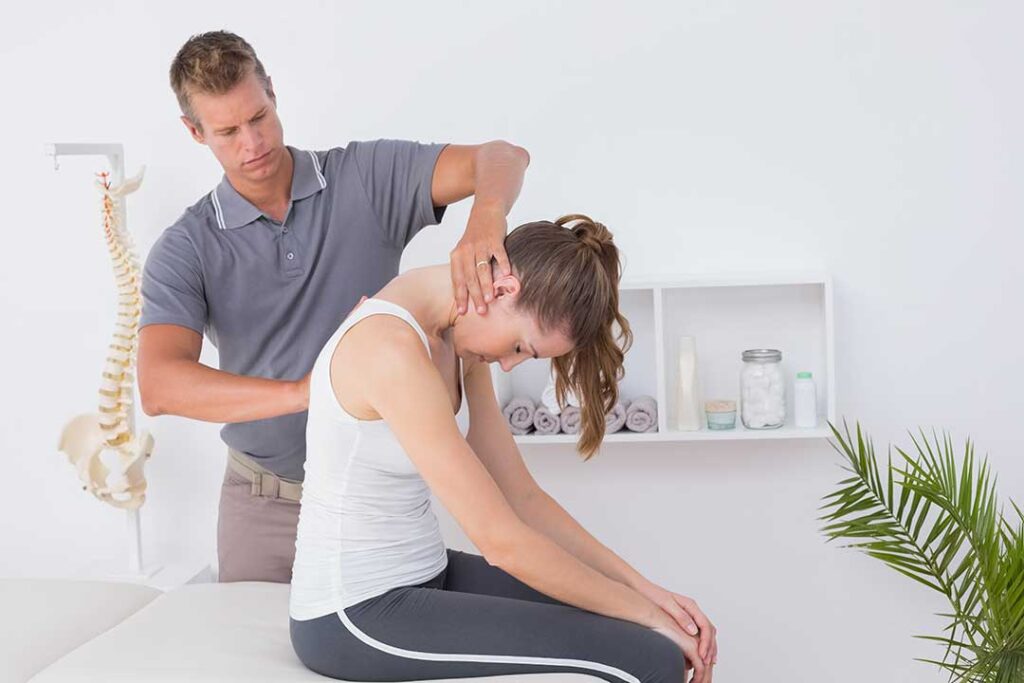
What Are Trigger Points and Why Do They Cause Muscle Pain?
Trigger points are small, sensitive areas within muscle tissue that can feel like tight knots. Pressing on these spots may cause discomfort, aching, or even sharp pain that sometimes spreads to other areas. These points often form after muscle overuse, strain, or even poor posture. Local residents who experience ongoing muscle pain, stiffness, or tenderness might be dealing with active trigger points—even if they don’t notice a visible injury.
Muscle pain from trigger points can feel dull or achy and may become more intense with physical activity or specific movements. While anyone can develop them, people who spend long hours at a desk or doing repetitive tasks around the house are especially prone.
What Do Trigger Points Feel Like?
Trigger points usually feel like a small lump, knot, or band under the skin, sensitive to touch. Pressing on one of these points can cause:
- Localized tenderness or pain
- A referred pain sensation (pain in an area away from the trigger point)
- Stiffness or weakness in a nearby joint or muscle
For example, a trigger point in the upper back might cause neck discomfort or a headache. Sometimes, touching a trigger point can even produce a tingling or numb feeling.
Why Do They Happen? Are There Common Triggers in Rockville Centre?
Several factors can lead to the development of trigger points:
- Repetitive movements from household chores, gardening, or athletic activities
- Prolonged poor posture, such as slouching while working remotely
- Emotional stress leading to muscle tension
- Acute injuries or even minor bumps
During colder months, local residents may notice more stiffness or muscle discomfort due to tensing up against the chill—a common pattern in areas where seasons change. Muscles held tight for long periods (due to brisk wind, uncertainty about slippery sidewalks, or a long commute) can become more prone to developing tender spots.
How Do Trigger Points Differ from Other Muscle Injuries?
Trigger points are a specific muscle issue, different from general muscle soreness, strains, or sprains. While general soreness may be spread throughout a muscle, trigger points are localized, often sending pain to a different area. For instance, a trigger point in the shoulder can cause aching down the arm, while a strain is usually sore only where the muscle was overworked.
People sometimes mistake trigger point pain for other common issues, such as nerve problems or joint pain, because of the way pain spreads. Recognizing the difference can help individuals seek more targeted self-care strategies.
Can People Manage Trigger Points at Home?
In many cases, mild trigger points can be managed with adjustments to daily habits and careful self-care:
- Applying gentle heat to relax the area, such as a warm compress after time outside in chilly weather
- Stretching and moving regularly, especially for those working from home or commuting
- Gentle, sustained pressure using a massage tool, foam roller, or even a tennis ball against a wall
Residents should avoid aggressive massage or stretching that causes sharp pain. Using good posture while performing common tasks—like shoveling snow, gardening in spring, or lifting groceries—can help prevent further irritation.
When Should Someone Be Concerned About Muscle Pain?

Most muscle discomfort from trigger points subsides with rest and gentle care. However, individuals should pay closer attention if they experience:
- Persistent or worsening pain lasting more than several weeks
- Numbness, tingling, or loss of function in an arm or leg
- Severe muscle weakness
- Sudden muscle swelling, redness, or bruising without obvious cause
These could be signs of injuries or conditions unrelated to trigger points and may require medical evaluation.
What Myths or Misconceptions Exist About Muscle Knots?
A common misconception is that trigger points are only caused by serious injuries or hard exercise. In reality, even routine activities—like long car rides, snow shoveling, or carrying children—can create conditions for trigger points to develop. Another myth is that applying extreme force or intense massage will always "release" a knot, but this can cause more harm or bruising.
Additionally, “knot” is simply a term for a hypersensitive spot in muscle, not a literal tangle of muscle fibers. Approaching these tender points gently and with patience almost always works better than harsh techniques.
Can Changes in Local Habits Reduce Recurrence of Trigger Points?
Yes, adjustments suited to the area’s lifestyle patterns can make a real difference:
- Taking more frequent breaks from screen time during long work-from-home sessions
- Using supportive chairs and beds at home—important for a place where many people live in multi-story homes or apartments
- Planning daily walks or gentle stretching, regardless of weather, to counteract stiffness from indoor routines
- Wearing layers during local cold snaps to avoid tensing muscles outdoors
Awareness of personal movement patterns, especially during common seasonal chores or family activities, can help residents prevent recurring discomfort.
